
Rēs Pūblica
This thing that belongs to everyone

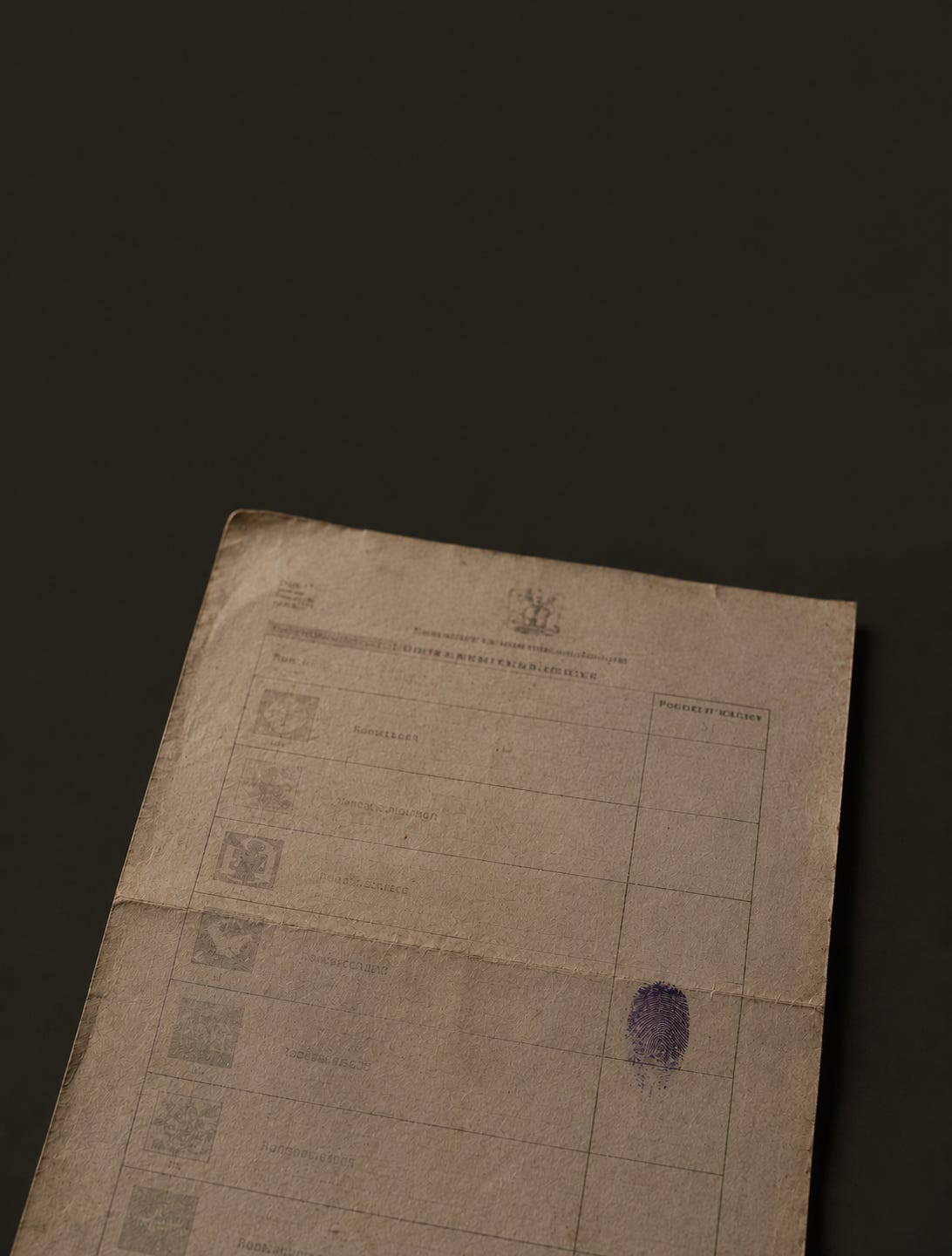
There was a Civic Education class at Saint Francis. I cannot for the life of me remember the teacher's name.
What I remember is this. She walked in one Tuesday morning and wrote Civic Education on the board. Then she turned around and did not open the textbook. She talked about Abiola. About June 12, 1993. About how Nigerians, from every corner of the country, across every line that had been drawn to keep them apart, went to the polls and chose the same man. She talked about the annulment. About the streets afterward. About the people who died in them.
The fan above us was broken. A boy named Ebenezer had fallen asleep in the back row. The sunlight was reflecting through the dusty louvers at an angle that made it hard to see the board.
The two words she emphasized were: Democracy. Gift.
I wrote them down. Underlined them twice.
She spoke about Nigeria the same way I’d imagine an angel speaks about heaven. With the certainty of someone who had seen the thing they were describing and wanted you to see it too. And I did. In that classroom, in that heat, with Ebenezer asleep and the fan broken and the sun in my eyes, I saw it. Nigeria as something handed to me personally. Something to be cherished. Something that, if I held it right, would hold me back. Something that belonged to us all.
I ignored the vastness between all that could be seen and all that we believed. I was in secondary school. The blinding light was on, and I did not think to look away.
Back then, Democracy Day was May 29. This was the date Obasanjo was sworn in, 1999. The day the military handed over. It was administrative and uncomplicated. The date simply spoke about the ending of something rather than the cost of it.
On June 6, 2018, Buhari announced that Democracy Day would move to June 12. And that he would award Abiola the GCFR posthumously. He called the 1993 election the freest, fairest and most peaceful since independence.
He made this announcement eight days after Nigeria had already celebrated Democracy Day on May 29 of that same year. One year before a general election.
The ceremony was held at the State House. Babangida attended.
The man who annulled the election. In the room. Seated. And the ceremony proceeded, and the speeches were made, and Abiola received his honour, and Babangida went back home to Minna. The scarlet flags were there in the timing, in the guest list, in the particular convenience of honouring a stolen mandate in an election year. They just washed out in my mind, the way they always do when the blinding light is on.
I watched the coverage that evening and sat with something I could not name. The right thing had indeed happened, and June 12 finally meant what it should have always meant.
And still.
In February 2025, Babangida published his autobiography. In said autobiography, he confirmed that Abiola won.
This was thirty-two years after the annulment. Twenty-seven years after Abiola died in detention, waiting.
The book was reviewed, glowingly in some quarters and more critically in others. He gave interviews. There was a week of noise all over social media. Then something else.
No arrest. No inquiry. He had finally shown his true colours. In a book. From Minna. And the country read the chapter and turned the page.
I thought about my teacher that week, whether she had seen the news. Whether, somewhere, she was sitting with the same unnamed thing I was sitting with. Whether she would hesitate now before talking about democracy the way she did those years ago.
The months before the 2023 elections had been something. Nigerian youth on every timeline, in every group chat, a generation that had decided collectively that this time was different. That their numbers were too vast to be absorbed. That the distance between what Nigeria was and what it could be was finally, finally going to be crossed.
I’d have walked across the floor of any sea for it. We all would have. Not just that morning, but across the years of it. The tribunals and the transitions and the elections that delivered something other than what was voted for. And yet there we were. In the queues. In the heat. Still walking.
INEC’s results portal went dark that night.
The Supreme Court ruled unanimously, seven justices, that this was not sufficient grounds for nullification. A presidential election has never been overturned in Nigeria. Not once in thirty years.
The timelines went quiet. The group chats went quiet. The energy, that specific, expensive, collective faith, found nowhere left to go. I see it try to resurge every other day now, but I know something fundamental broke in 2023. Something we have been trying to mend every day since.
Today is June 12, 2026. The president sent his SGF to deliver his Democracy Day remarks at the National Christian Centre in Abuja this past Sunday. The service was themed “God of Hope, Actualise Our Dreams.” Democratic dividends were cited. Young people were told not to rent out their consciences.
Babangida is still in Minna.
Across several states, some Nigerians intend marching today. The same people who were also in classrooms once. Who wrote things down and underlined them. Who showed up in the “Elupee” era with all of that energy and faith and had it meet a portal that went dark. And came back anyway.
I do not know what to call that. I have been trying to find the word since 2018, when Babangida sat in the front row, and the country kept moving.
Maybe the word does not exist yet in any language I speak.
I still have the notebook from Saint Francis. Somewhere. I have not looked for it in years, but I have not thrown it away either.
Today is the day named for the wound those two words were built on. The freest, fairest election in our history. Annulled. Confirmed stolen thirty-two years later by the man who stole it, in a book, from his home in Minna, and then the page turned.
My teacher believed what she talked about that day many years ago in our Civic Education class.
So did I.
Rēs Pūblica. The public thing. The thing that belongs to everyone, to the woman in the queue, to the boy in the back row, to the ones who died in the streets for it, to the ones still marching today in twenty states. The thing held in common. Administered on behalf of all.
That was the promise. That was what I underlined.
And there are some things, love, where the knowing is the injury. Where you walked the full distance, across every disappointment, every portal that went dark, every ceremony with the wrong man in the front row, only to arrive at this: that the public thing, the thing that was supposed to belong to everyone, had never quite belonged to anyone at all. That Rēs Pūblica was always more promise than practice. More inscription than institution. Carved into the wall of a building that was never maintained.
And yet we keep walking. Toward it. Knowing what the knowing costs.
Do you know I could break beneath the weight
Of the goodness, love, I still carry for you?
That I’d walk so far just to take
The injury of finally knowing you
— Hozier, Unknown/Nth
Lanre,
For the Square
These political pieces are the most beautiful ways to define politics to the modern mind.
Thank you, always.
This definitely moved me🥹.